

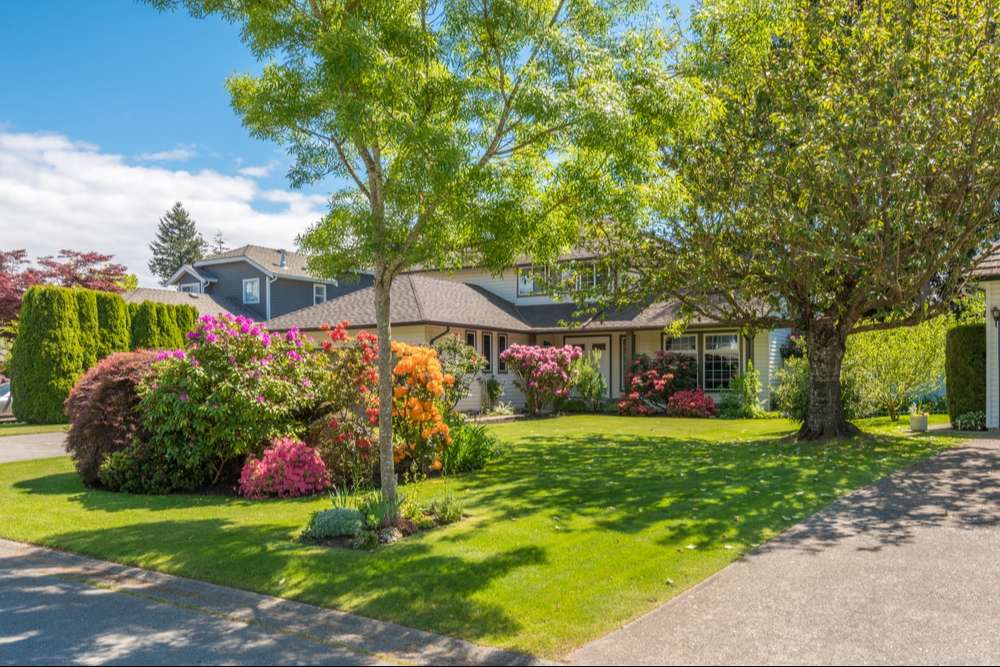
A smooth, even lawn can make your yard safer, easier to maintain, and much more enjoyable to look at. If you have noticed uneven spots, dips, raised areas, or patches where water collects after irrigation, you may be wondering how to level a bumpy lawn without damaging the grass you already have. The good news is that many uneven lawn problems can be corrected with the right timing, tools, and lawn care approach.
For Phoenix homeowners, lawn leveling can be a little different than it is in cooler or wetter climates. Desert heat, compacted soil, irrigation patterns, seasonal grass transitions, and hard ground can all affect how your lawn settles over time. Whether your yard has small, low spots or larger, uneven areas, understanding the cause of the bumps is the first step toward getting your lawn back into shape.
Why Lawns Become Bumpy or Uneven
A bumpy lawn does not usually happen overnight. In most cases, uneven areas develop slowly due to soil movement, watering issues, foot traffic, or natural settling. Phoenix yards can also experience unique challenges because of dry soil conditions and irrigation demands.
Common causes of a bumpy lawn include:
- Soil settling: Over time, soil naturally shifts and compacts, especially after installation, trenching, or landscape work.
- Heavy foot traffic: Regular walking, pets, kids playing, or equipment use can compact some areas more than others.
- Irrigation problems: Uneven watering can create soft areas, dry patches, or soil erosion. A professional irrigation service can identify coverage gaps before they damage your lawn.
- Poor drainage: Water that pools in certain spots can wash soil away or create low areas.
- Burrowing pests: Insects, rodents, or other pests may disturb soil beneath the grass.
- Tree roots: Roots growing near the surface can raise parts of the lawn.
- Improper lawn installation: If the soil was not graded correctly before sod or seed was installed, bumps may appear later.
- Seasonal grass changes: In Phoenix, lawns may transition between warm-season and cool-season grasses, which can reveal uneven soil levels.
Before leveling the lawn, it helps to walk the yard and identify whether the bumps are minor, moderate, or severe. Small dips can often be corrected with topdressing. Deeper depressions or major grading problems may require more involved work.
When Is the Best Time to Level a Lawn in Phoenix?
Timing matters when leveling a lawn. You want the grass to be actively growing so it can recover quickly after soil is added or disturbed.
For Phoenix lawns, the best timing often depends on the type of grass:
- Bermuda grass: Level during the active growing season, usually late spring through summer.
- Ryegrass: Minor leveling can be done during cooler months, but heavy work should be avoided when growth is slow. Learn more about winter lawn grass service to keep ryegrass performing through the season.
- Transition lawns: If your lawn changes seasonally, plan leveling when the stronger grass type is actively growing.
Avoid leveling during extreme heat if the lawn is already stressed. Also, avoid major leveling immediately before overseeding, unless the lawn is being fully renovated and prepared at the same time.
Step 1: Inspect the Lawn Carefully
Before adding soil, sand, or any leveling material, inspect the lawn to understand what you are dealing with. A small dip near a sprinkler head may have a different cause than a long, uneven strip near a walkway.
Walk across the yard slowly and look for:
- Low spots where water gathers
- High spots that make mowing difficult
- Exposed roots
- Thin or bare patches
- Areas where grass feels soft or spongy
- Spots where sprinkler runoff occurs
- Places where mower blades scalp the grass
You can also use a long board, level, or string line to see how uneven the surface really is. This is especially helpful if you are preparing for a more polished lawn surface. If you notice discoloration alongside the bumps, our guide on why lawns develop brown patches may help you diagnose multiple problems at once.
Step 2: Mow the Lawn Short, But Not Too Short
Before leveling, mow the lawn slightly shorter than usual so you can see the soil surface more clearly. This makes it easier to identify dips and spread leveling material evenly.
However, avoid scalping the lawn unless you are doing a larger renovation. Cutting the grass too short can stress it, especially in the Phoenix heat. A healthy lawn recovers better when the grass still has enough blade surface to keep growing. For tips on the right mowing height and schedule for Phoenix yards, see how often you should mow your lawn in Phoenix.
After mowing, remove clippings if they are heavy. A clean surface helps the leveling mix reach the soil instead of sitting on top of thick grass blades.
Step 3: Choose the Right Lawn Leveling Mix
The material you use matters. The goal is to fill low spots without smothering the grass or creating drainage problems.
A typical lawn leveling mix may include:
- Screened topsoil: Helps fill low areas and support grass growth.
- Compost: Adds nutrients and improves soil structure.
- Sand: Helps improve leveling and drainage, especially when mixed properly.
For many lawns, a blend of sand and screened topsoil works well. Compost can be helpful, but too much organic matter may settle over time. In Phoenix, you also want to avoid materials that create a crusty surface or prevent water from reaching the root zone.
Do not use heavy clay soil, chunky fill dirt, rocks, mulch, or unfiltered landscape debris to level a lawn. These materials can create more problems than they solve.
Step 4: Fill Shallow Low Spots
For small dips less than about half an inch deep, topdressing is usually the easiest method. Spread a thin layer of leveling mix over the low area and work it into the grass.
Use a rake, leveling rake, broom, or the back of a landscape rake to distribute the material. The grass blades should still be visible after the material is spread. If you completely bury the grass, it may struggle to recover.
For best results:
- Apply thin layers instead of one heavy layer.
- Brush the material down into the turf.
- Keep grass blades exposed.
- Water lightly after spreading.
- Repeat in stages if needed.
It may take more than one application to fully correct low spots, but gradual leveling is safer for the lawn.
Step 5: Repair Deeper Depressions
If a low spot is deeper than one inch, it may need a different approach. Adding too much soil on top of existing grass can smother it. Instead, you may need to lift the grass, fill underneath, and replace it.
Here is a common method:
- Cut the grass section carefully with a shovel or sod cutter.
- Lift the sod or turf layer.
- Add soil underneath the grass.
- Level and firm the soil.
- Replace the grass section.
- Water thoroughly.
This method helps preserve the existing grass while correcting the soil level beneath it. It is especially useful for isolated dips, sunken sprinkler repairs, or areas where soil has settled after trenching.
Step 6: Reduce High Spots
High spots can be trickier than low spots because they may require removing soil. If the raised area is minor, you may be able to rake it down or lightly remove excess soil. If it is caused by roots, irrigation parts, rocks, or buried debris, the source should be addressed first.
For high spots:
- Identify what is causing the raised area.
- Remove excess soil carefully.
- Avoid cutting major tree roots.
- Regrade the area gently.
- Replace or repair grass as needed.
If the high spot is caused by tree roots, be careful. Cutting roots can harm the tree and may create future stability issues. In those cases, it may be better to adjust the landscape design rather than force the lawn to be perfectly flat.
Step 7: Water Properly After Leveling
After leveling, water helps the soil settle and encourages grass recovery. However, overwatering can wash away the material you just added. The key is to water gently and consistently.
In Phoenix, irrigation is especially important because dry soil can harden quickly. Light watering after topdressing helps the material settle into place. Then, return to a watering schedule that supports deep root growth. If your sprinkler system has uneven coverage or leaks, fixing those issues before or right after leveling will make a significant difference in how well your lawn recovers.
Good watering practices include:
- Watering early in the morning
- Avoiding heavy runoff
- Checking sprinkler coverage
- Adjusting irrigation for seasonal temperatures
- Watching for puddles or dry spots
- Following desert watering guidance from trusted local resources
Because Phoenix has hot, dry conditions, your lawn may need different care at different times of the year. A professional lawn care service can help adjust your maintenance schedule so your grass stays healthy without wasting water.
Step 8: Reseed or Patch Bare Areas
Leveling can reveal thin or bare areas, especially if the lawn was already stressed. Once the surface is more even, patching bare spots can help the lawn look full again.
Depending on the season and grass type, you may need to:
- Add seed
- Install small sod patches
- Improve irrigation coverage
- Add soil amendments
- Fertilize appropriately
- Protect the area from foot traffic while it recovers
In Phoenix, grass selection matters. Bermuda grass is common for warm-season lawns, while winter ryegrass is often used for seasonal green coverage. Choosing the right grass for the time of year helps improve results. If your lawn has turned yellow or thin after leveling, our guide on why lawns turn yellow can help you identify what the grass still needs to recover.
Step 9: Prevent Future Lawn Bumps
Once your lawn is level, regular maintenance helps keep it that way. A lawn that is properly watered, mowed, aerated, and cared for is less likely to develop uneven areas.
To prevent future bumps:
- Keep irrigation systems working properly.
- Avoid overwatering low areas.
- Fix leaks quickly.
- Aerate compacted soil when needed.
- Keep mower blades sharp.
- Avoid mowing too low.
- Fill minor dips before they become larger.
- Limit repeated heavy traffic in the same areas.
- Watch for pest activity.
- Schedule recurring landscape maintenance when needed.
A smooth lawn is easier to mow and often healthier because water, nutrients, and sunlight can be distributed more evenly.
Should You Use Sand to Level a Lawn?
Sand is commonly used in lawn leveling, but it should be used carefully. Pure sand can work well in some situations, especially for minor leveling and warm-season turf. However, if your existing soil has a lot of clay or compacted material, adding only sand may create a harder soil structure over time.
A blended leveling mix is often a better choice for residential lawns. Sand can improve the ability to spread and smooth the surface, while screened topsoil and compost support plant health.
The best mix depends on your lawn’s soil, grass type, drainage, and the severity of the uneven areas.
Can You Level a Lawn Without Removing the Grass?
Yes, you can level many lawns without removing the grass, especially if the uneven areas are shallow. Topdressing is designed to add material over the existing lawn while allowing grass to grow through it.
The important rule is not to bury the grass too deeply. If grass blades are covered completely for too long, they may yellow, thin, or die. For deeper areas, it is usually better to lift the turf and add soil underneath.
When Should You Call a Professional Lawn Service?
Some lawn leveling projects are simple enough for a homeowner to handle. However, professional help is useful when the lawn has widespread unevenness, drainage issues, sprinkler problems, or recurring low spots.
Consider calling a professional if:
- Your mower keeps scalping the lawn.
- Water pools in multiple areas.
- The yard slopes toward the home.
- You suspect sprinkler leaks.
- The lawn has large bare spots.
- You need grading, sod, or irrigation work.
- You want recurring maintenance after leveling.
- The lawn keeps becoming uneven after repairs.
A professional lawn service can help identify the cause of the problem instead of only covering it up. That can save time, money, and frustration in the long run.
Lawn Leveling and Phoenix Yard Care
Phoenix lawns require thoughtful care because of desert heat, dry soil, and irrigation needs. Leveling a bumpy lawn is not just about appearance. It can also improve mowing, reduce tripping hazards, help irrigation work more evenly, and support healthier grass.
Because many Phoenix yards include more than just turf, lawn leveling may also connect with other landscape needs. Shrubs, flowers, sprinklers, hardscaping, and seasonal maintenance can all affect how the yard looks and functions. A complete landscape installation and care approach helps keep everything working together.
If your yard feels uneven, tired, or difficult to maintain, leveling may be part of the solution. With the right process, your lawn can become smoother, healthier, and easier to enjoy.
FAQ: Leveling a Bumpy Lawn
How do I know if my lawn needs leveling?
Your lawn may need leveling if your mower scalps certain areas, water collects in low spots, walking feels uneven, or the yard has visible dips and bumps.
Can I level my lawn myself?
Yes, small uneven areas can often be fixed with topdressing. Larger dips, drainage issues, sprinkler problems, or major grading concerns are better handled by a professional.
What is the best material for leveling a lawn?
A screened mix of topsoil, sand, and sometimes compost is commonly used. The best material depends on your soil type, grass type, and drainage conditions.
Will leveling damage my grass?
Not if it is done correctly. Thin layers of leveling material allow grass to grow through. Too much soil at once can smother the grass.
How long does it take for grass to recover after leveling?
Minor leveling areas may recover within a few weeks during the active growing season. Deeper repairs or stressed lawns may take longer.
Can I level a lawn in the summer in Phoenix?
It depends on the condition of the lawn and the grass type. Bermuda grass grows actively in summer, but extreme heat can still stress the lawn. Proper watering is important.
Why does my lawn stay bumpy after I level it?
The underlying cause may not have been fixed. Irrigation leaks, drainage issues, soil settling, pests, or heavy traffic can cause bumps to return.
Should I aerate before leveling?
Aeration can help compacted lawns, but it is not always required. If the soil is hard, compacted, or struggles to absorb water, lawn aeration may improve results before you begin leveling.
Can sprinklers cause low spots?
Yes. Leaks, overspray, runoff, or uneven coverage can soften soil, cause erosion, or create dry patches that weaken the grass. A sprinkler repair inspection can catch these problems early.
How often should a lawn be leveled?
Most lawns do not need frequent leveling. Minor touch-ups can be done as needed, while larger leveling projects are usually occasional maintenance tasks. Have additional questions? Visit our FAQ page for more Phoenix lawn care answers.
Need Lawn Service in Phoenix? No Problem.
Lawn care maintenance is a simple way to keep your Phoenix yard healthy and looking sharp. From the grass to shrubs to flowers, yards can include a wide variety of plants. You do not have to be an expert botanist to have a beautiful yard. Sergio’s Lawn Services provides lawn service in Phoenix with reliable scheduling, consistent results, and friendly help when your yard needs a reset.
Sergio’s Lawn Services can take care of all kinds of projects, from caring for the plants themselves to providing support systems like sprinklers and hardscaping. You can rely on our team for occasional landscape maintenance services that prepare your lawn for the upcoming season, or schedule recurring lawn care to keep everything healthy year-round. For watering best practices in desert conditions, we also recommend guidance from the University of Arizona Cooperative Extension.
Contact us now to schedule lawn and landscape services and view the service area if you want to confirm coverage.