

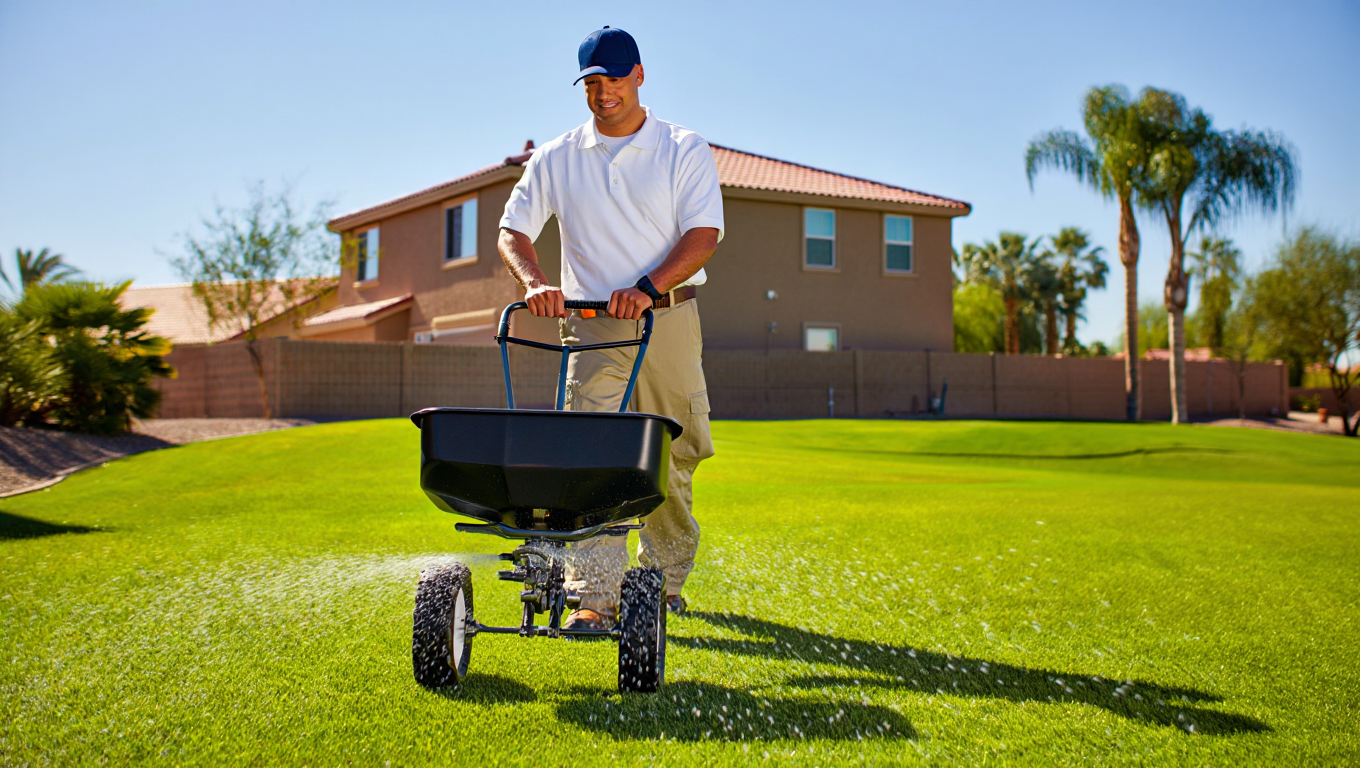
When temperatures climb in Arizona, homeowners often start wondering how to prepare the lawn for summer heat without wasting water, stressing plants, or falling behind on maintenance. Phoenix summers are intense, and your lawn needs a thoughtful plan before the hottest days arrive. With the right watering schedule, mowing habits, soil care, sprinkler checks, and seasonal cleanup, you can help your yard stay healthier, greener, and more resilient through weeks of high heat.
A beautiful yard does not happen by accident in the desert. Grass, shrubs, flowers, trees, and garden beds all respond differently to heat, sun exposure, and irrigation. Some plants can handle summer with minimal attention, while others need careful watering and consistent upkeep. The good news is that you do not have to be an expert botanist to keep your outdoor space looking sharp. A little preparation before summer can make a big difference in how your lawn performs during the hottest part of the year.
For Phoenix homeowners, summer lawn care is about more than appearance. A well-maintained yard can help protect your landscaping investment, reduce plant loss, prevent dry patches, and keep outdoor areas more enjoyable. Whether you handle some tasks yourself or schedule professional lawn care maintenance in Phoenix, early preparation is one of the best ways to support your yard before extreme heat sets in.
Start with a Full Lawn and Landscape Inspection
Before changing your watering schedule or applying products, take time to inspect the entire yard. Walk slowly through the lawn, garden beds, shrub areas, walkways, and irrigation zones. Look for signs that your yard may already be under stress.
Common warning signs include:
- Brown or thinning patches in the lawn
- Dry, compacted soil
- Sprinkler heads that spray unevenly
- Puddling near irrigation lines
- Wilted shrubs or flowers
- Overgrown weeds
- Dead branches on plants or trees
- Areas with too much sun exposure and not enough moisture
This inspection gives you a starting point. If your lawn already has problem areas in spring or early summer, those issues may become worse once Phoenix temperatures rise. Addressing them early allows your lawn to enter summer in better condition.
You should also check for uneven growth. Some parts of the yard may look lush while others appear dry or weak. This can happen because of sprinkler coverage problems, soil differences, foot traffic, shade changes, or pests. Finding those patterns helps you decide where extra care is needed. If you notice yellowing alongside thinning, our guide on why lawns turn yellow can help you narrow down the cause before summer stress makes it worse.
Adjust Your Watering Schedule Before Extreme Heat Arrives
Watering is one of the most important parts of summer lawn preparation, especially in desert conditions. Phoenix lawns need enough water to survive heat, but too much water can create waste, runoff, shallow roots, and plant health problems.
As temperatures rise, your yard may need deeper watering rather than frequent shallow watering. Deep watering encourages roots to grow downward, where soil stays cooler, and moisture lasts longer. Shallow watering often keeps roots close to the surface, making grass more vulnerable to heat stress.
Helpful watering practices include:
- Water early in the morning before temperatures peak
- Avoid watering during the hottest part of the day
- Check that water is soaking into the soil instead of running off
- Adjust irrigation zones based on plant type and sun exposure
- Reduce watering if you notice puddles or soggy areas
- Increase attention to areas that dry out faster, such as slopes or full-sun sections
The University of Arizona Cooperative Extension offers helpful guidance for watering best practices in desert conditions, and Phoenix homeowners can benefit from following research-based recommendations. Since water needs can vary by grass type, soil condition, and irrigation system, it is wise to observe how your yard responds and make adjustments as needed. Our professional irrigation services can help make sure your system is dialed in before the season peaks.
Check Your Sprinkler and Irrigation System
A lawn can only handle summer heat if water is reaching the right places. Before the hottest months, test your sprinkler or irrigation system zone by zone. Turn on each section and watch how it performs.
Look for issues such as:
- Broken sprinkler heads
- Clogged nozzles
- Sprinklers spraying sidewalks, driveways, or walls
- Low water pressure
- Overspray onto hardscaping
- Leaking drip lines
- Dry spots between sprinkler patterns
- Water pooling in one area
Even a small irrigation problem can cause visible lawn damage during summer. A broken head may leave a section dry, while a misdirected sprinkler may waste water without helping your grass. Drip systems should also be checked around shrubs, flowers, and trees to make sure emitters are working properly.
If your system has a timer, review the settings before summer. Seasonal adjustments can help your yard get the water it needs without relying on outdated spring settings. If you notice broken heads, leaks, or uneven coverage, professional sprinkler repair can get your system back on track before the heat does any real damage.
Mow at the Right Height
Mowing may seem simple, but mowing height has a major effect on summer lawn health. Cutting grass too short can expose soil to more sun, increase evaporation, weaken roots, and make the lawn more vulnerable to heat damage.
During hot weather, many lawns benefit from being kept slightly taller. Taller grass blades can shade the soil, help retain moisture, and support stronger root systems. You should avoid removing too much of the grass blade at one time. A good general rule is to mow often enough that you are not cutting off more than one-third of the blade length during a single mowing. For Phoenix-specific guidance on frequency and timing, see how often you should mow your lawn in Phoenix.
Smart summer mowing habits include:
- Keep mower blades sharp for cleaner cuts
- Avoid scalping the lawn
- Mow when the grass is dry
- Do not mow during peak heat if the lawn is stressed
- Change mowing direction occasionally to reduce wear patterns
- Leave grass slightly taller when temperatures are extreme
Sharp mower blades are especially important. Dull blades tear grass instead of cutting it cleanly, leaving ragged edges that can dry out faster and make the lawn look brown or uneven. If your lawn starts looking rough after mowing, the mower blade may need sharpening.
Improve Soil Health Before Summer Stress Peaks
Healthy soil supports healthy grass. If soil is compacted, dry, nutrient-poor, or unable to absorb water properly, your lawn will have a harder time surviving summer heat. Preparing the soil before extreme temperatures can help your lawn use water more efficiently.
Soil improvement may include aeration, topdressing, compost application, or targeted fertilization, depending on the condition of the lawn. Lawn aeration can be especially helpful when soil is compacted because it allows air, water, and nutrients to move more easily into the root zone before summer demands the most from your grass.
Signs of compacted soil include:
- Water running off instead of soaking in
- Thin grass in high-traffic areas
- Hard soil surface
- Poor root growth
- Lawn that dries out quickly after watering
Fertilization should be handled carefully in hot climates. Overfertilizing before or during extreme heat can stress the lawn. The right product and timing depend on the grass type and the current condition of the yard. For timing guidance specific to Phoenix, see when you should fertilize your lawn in Phoenix. If you are not sure what your lawn needs, it is better to ask a lawn care professional than to apply products blindly.
Control Weeds Before They Compete for Water
Weeds are more than an eyesore. In summer, they compete with your grass, shrubs, and flowers for water, nutrients, sunlight, and space. If weeds are allowed to spread before the hottest part of the year, they can make it harder for your desired plants to stay healthy.
Remove visible weeds before they become established. Pay attention to lawn edges, gravel areas, garden beds, and cracks near hardscaping. Weeds often appear in places where irrigation overspray, runoff, or disturbed soil create favorable conditions.
Weed prevention tips include:
- Pull weeds before they produce seeds
- Keep lawn edges trimmed
- Maintain mulch or ground cover in planting beds
- Avoid overwatering, which can encourage weed growth
- Repair bare lawn patches where weeds may take hold
A consistent maintenance schedule is one of the best ways to keep weeds under control. For a full breakdown of timing and products that work in Phoenix conditions, see our guide on the best weed control schedule in Phoenix. Recurring lawn care is often more effective because weeds are easier to manage when caught early.
Trim Shrubs, Plants, and Trees Carefully
Your lawn is only one part of the yard. Shrubs, flowers, trees, and decorative plants also need preparation before summer. Trimming can improve appearance, remove dead growth, and help plants use energy more efficiently. However, heavy pruning at the wrong time can expose plants to sunburn or additional stress.
Before summer, remove dead or damaged branches and lightly shape plants as needed. Avoid aggressive trimming during extreme heat unless there is a safety concern or a plant health issue that needs immediate attention.
Careful trimming can help:
- Improve airflow around plants
- Reduce dead or diseased growth
- Keep walkways and hardscaping clear
- Prevent plants from crowding each other
- Improve the overall look of the yard
For flowering plants, timing matters. Some plants bloom on old growth, while others bloom on new growth. Trimming at the wrong time may reduce flowers. If you are unsure, our landscape maintenance team can help maintain plants without causing unnecessary stress.
Add Mulch Around Plants and Garden Beds
Mulch can be very helpful in Phoenix landscapes because it helps protect soil from direct sun exposure. Around shrubs, flowers, and trees, mulch can reduce evaporation, moderate soil temperature, and discourage weed growth.
Organic mulch can also improve soil over time as it breaks down. Gravel is common in desert landscaping and can work well in many areas, but organic mulch may be better around certain plants that benefit from cooler, more moisture-retentive soil.
When applying mulch, avoid piling it directly against plant stems or tree trunks. Leave a small gap around the base to reduce the risk of rot, pests, or disease. A clean, even layer gives planting beds a refreshed look while also supporting plant health. If your beds and borders need a full reset alongside mulching, a seasonal yard cleanup service can handle it all at once.
Repair Bare or Thin Lawn Areas
Bare spots can worsen quickly during summer. Exposed soil gets hotter, dries out faster, and gives weeds a place to grow. If you notice thin or bare areas, address them before the hottest weather arrives.
Possible causes of bare spots include:
- Sprinkler coverage gaps
- Pet damage
- Heavy foot traffic
- Soil compaction
- Pest activity
- Disease
- Too much shade
- Improper mowing
Repairing these areas may involve reseeding, sod replacement, soil improvement, irrigation correction, or traffic control. The right solution depends on the cause. Simply adding seed or sod without fixing the underlying issue may lead to the same problem returning. If patches are also showing discoloration, our guide on why lawns develop brown patches can help you identify what is really going on before you repair.
Protect Flowers and Delicate Plants
Flowers can bring color and life to a Phoenix yard, but they often need extra attention as the heat increases. Some seasonal flowers may struggle in direct summer sun, while others can handle the heat with proper watering and placement.
To protect flowers and delicate plants:
- Group plants with similar water needs together
- Use mulch to protect soil moisture
- Remove spent blooms when appropriate
- Watch for wilting during heat waves
- Provide shade protection for sensitive plants if needed
- Avoid overwatering containers, which can heat up quickly
Container plants may need special attention because pots dry out faster than the ground soil. They can also become very hot when exposed to direct sunlight. Moving containers to a better location or adjusting watering can help plants survive summer conditions.
Keep Hardscaping Clean and Functional
Hardscaping is an important part of many Phoenix yards. Patios, pathways, rock areas, borders, retaining features, and decorative stone all affect the appearance and function of your landscape. Before summer, clean up hardscaped areas and check for issues that may affect drainage or safety.
Tasks may include:
- Removing weeds from cracks and borders
- Clearing debris from pathways
- Checking drainage around patios
- Refreshing rock or gravel areas
- Trimming plants away from walkways
- Repairing uneven or damaged areas
Good hardscaping can support the rest of your landscape by directing water properly, reducing muddy areas, and making the yard easier to maintain. If you are considering adding or updating hardscaped features alongside your summer prep, explore our landscape installation services for design and build options.
Create a Recurring Lawn Care Plan
One-time seasonal preparation is valuable, but summer lawn health often depends on consistency. Phoenix heat can change yard conditions quickly. A lawn that looks healthy one week may show signs of stress the next if watering, mowing, trimming, or weed control falls behind.
A recurring lawn care plan helps keep maintenance on schedule. It also allows professionals to spot small issues before they become expensive problems. Whether you need occasional landscape maintenance or ongoing lawn care, having a plan can reduce stress and keep your yard looking better throughout the year.
Recurring maintenance may include:
- Lawn mowing
- Shrub trimming
- Weed control
- Irrigation checks
- Seasonal cleanup
- Flower bed maintenance
- Lawn health monitoring
- Hardscape cleanup
For busy homeowners, reliable scheduling is one of the biggest benefits of professional lawn service. Instead of trying to remember every task during an already busy season, you can rely on a team that understands local conditions and yard care needs.
Know When to Call a Professional
Some lawn care tasks are simple enough for homeowners to handle. Others require experience, tools, or a deeper understanding of desert landscaping. If your yard has ongoing dry spots, sprinkler issues, weed problems, plant stress, or uneven growth, professional help can save time and reduce guesswork.
A professional lawn service can help with:
- Diagnosing lawn stress
- Adjusting irrigation systems
- Preparing yards for seasonal changes
- Maintaining shrubs, flowers, and trees
- Cleaning up overgrowth
- Managing recurring maintenance
- Supporting hardscaping and landscape features
Professional care is especially helpful when your yard needs a reset. If maintenance has fallen behind or summer heat is approaching quickly, a skilled team can prioritize the most important tasks and help restore order. Have more questions before reaching out? Visit our FAQ page for answers to common Phoenix lawn care questions.
FAQ: Preparing Your Lawn for Summer Heat
When should I start preparing my lawn for summer heat?
Start in spring or early summer before the most intense heat arrives. Early preparation gives your lawn time to strengthen roots, recover from stress, and adjust to seasonal watering needs.
How often should I water my lawn in Phoenix during summer?
It depends on your grass type, soil, irrigation system, and sun exposure. In general, deep watering is often better than frequent shallow watering. Watch how your lawn responds and use desert watering guidance, such as resources from the University of Arizona Cooperative Extension, to make informed adjustments.
Is it better to water in the morning or evening?
Morning is usually best. Watering early helps reduce evaporation while giving plants moisture before the hottest part of the day. Evening watering can sometimes leave moisture sitting too long, which may encourage certain lawn problems.
Should I mow my lawn shorter in summer?
No. Cutting grass too short can increase heat stress and dry out the soil faster. Keeping grass slightly taller can help shade the soil and support healthier roots.
Why does my lawn have brown spots even though I water it?
Brown spots may be caused by uneven sprinkler coverage, compacted soil, pests, disease, pet damage, or heat stress. Check irrigation first, then look for other possible causes if watering coverage seems adequate.
Can mulch help my Phoenix landscape during summer?
Yes. Mulch helps reduce evaporation, protect soil from direct sun, moderate soil temperature, and limit weed growth around plants and garden beds.
Do shrubs and flowers need different watering than grass?
Yes. Different plants have different water needs. Grass, shrubs, flowers, trees, and container plants should not always be watered the same way. Irrigation zones should be adjusted based on plant type and location.
Should I fertilize my lawn before summer?
It depends on the lawn’s condition and grass type. Fertilizer can help when used correctly, but applying too much or applying it at the wrong time can stress the lawn. Ask a lawn care professional if you are unsure.
How can I reduce weeds before summer?
Remove weeds early, maintain lawn edges, avoid overwatering, use mulch in beds, and repair bare patches where weeds can spread. Consistent maintenance is the best long-term approach.
When should I hire a lawn care company?
Hire a lawn care company when your yard needs regular maintenance, irrigation support, seasonal preparation, or help correcting lawn stress. Professional service is especially useful before the Phoenix summer heat becomes severe. Check our service area to confirm we cover your neighborhood.
Need Lawn Service in Phoenix? No Problem.
Lawn care maintenance is a simple way to keep your Phoenix yard healthy and looking sharp. From the grass to shrubs to flowers, yards can include a wide variety of plants. You don’t have to be an expert botanist to have a beautiful yard. Sergio’s Lawn Services provides lawn service in Phoenix with reliable scheduling, consistent results, and friendly help when your yard needs a reset.
We can take care of all kinds of projects, from caring for the plants themselves to providing support systems like sprinklers and hardscaping. You can rely on us for occasional landscape maintenance services that prepare your lawn for the upcoming season, or schedule recurring lawn care to keep everything healthy year-round. For watering best practices in desert conditions, we also recommend the guidance from the University of Arizona Cooperative Extension.
Contact us now to schedule lawn and landscape services and view our service area if you want to confirm coverage.