

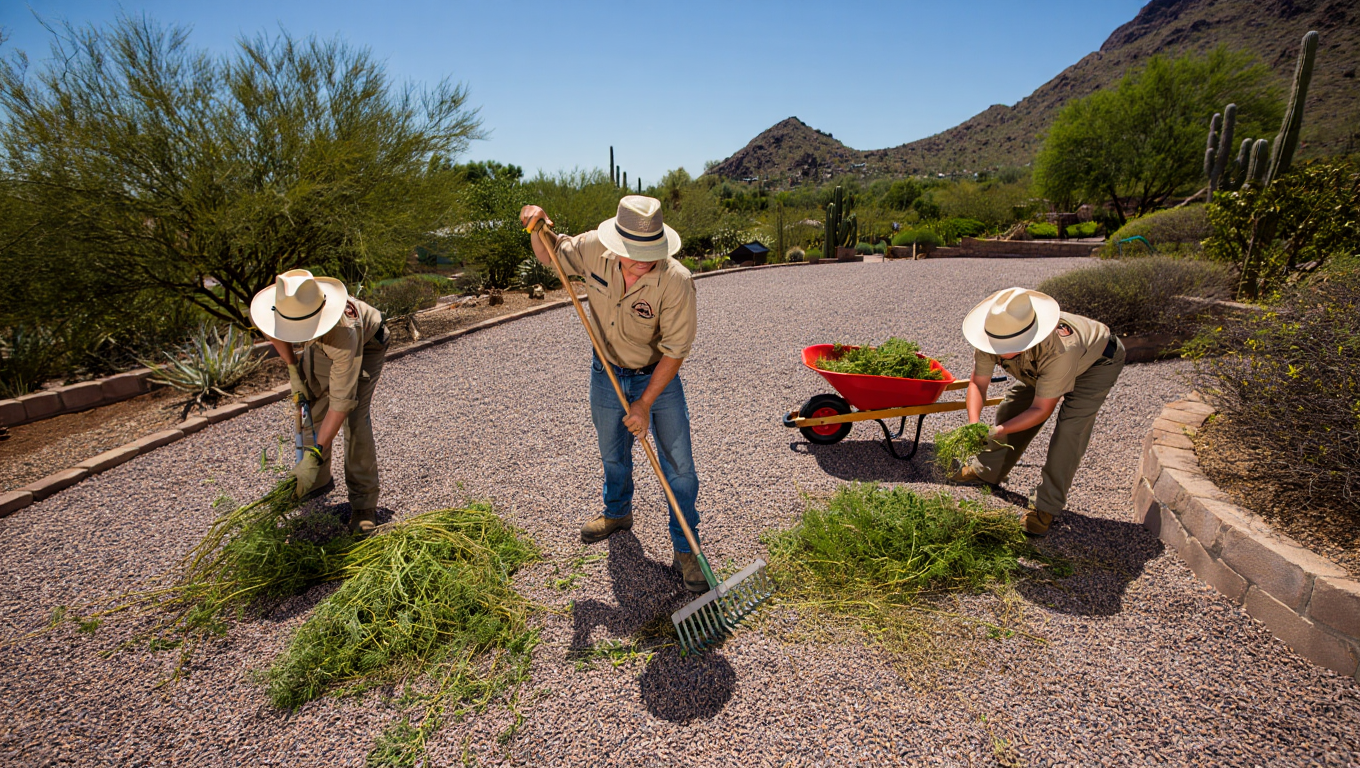
If you want a thick, healthy yard in the desert, lawn aeration in Phoenix, AZ, should be a regular part of your maintenance plan. The intense heat, compacted desert soil, and heavy foot traffic common in the Valley can take a toll on even the most well-cared-for grass. Aeration helps relieve soil compaction, improve water absorption, and encourage stronger root growth. But how often should you aerate your lawn in Phoenix? The answer depends on your grass type, soil condition, and how you use your yard.
In this guide, we will break down everything Phoenix and Scottsdale homeowners need to know about lawn aeration, including timing, frequency, and why it is especially important in our unique climate.
Why Lawn Aeration Matters in the Phoenix Desert Climate
Phoenix lawns face challenges that homeowners in other regions may never encounter. The Sonoran Desert environment presents several stress factors:
- High summer temperatures that regularly exceed 100 degrees
- Clay-heavy or compacted soils
- Limited rainfall
- Frequent irrigation that can contribute to buildup and compaction
- Heavy foot traffic during cooler months
Over time, soil becomes compacted. When soil particles are pressed tightly together, air, water, and nutrients struggle to reach the grassroots. Compacted soil prevents roots from expanding deeply, which weakens your lawn and makes it more vulnerable to drought, disease, and thinning.
Aeration solves this problem by removing small plugs of soil, creating channels that allow:
- Oxygen to reach the root zone
- Water to penetrate more deeply
- Nutrients to absorb efficiently
- Roots to expand and strengthen
In a desert environment like Phoenix and Scottsdale, these benefits are essential for long-term lawn health.
How Often Should You Aerate a Lawn in Phoenix, AZ?
For most residential lawns in Phoenix and Scottsdale, aerating once per year is sufficient. However, some properties benefit from aerating twice per year, depending on conditions.
Here is a general breakdown:
Once Per Year
Most lawns with moderate foot traffic and relatively healthy soil should be aerated annually. This keeps compaction under control and supports steady growth.
Twice Per Year
You may need aeration twice yearly if:
- Your lawn receives heavy foot traffic from kids or pets
- Your soil is dense clay
- You notice standing water after irrigation
- Your grass appears thin or stressed
- You recently completed construction that compacted the soil
In high-traffic Scottsdale properties or newly developed Phoenix neighborhoods with compacted soil, biannual aeration can significantly improve turf performance.
Best Time of Year to Aerate in Phoenix and Scottsdale
Timing is everything. Aerating at the wrong time can stress your lawn rather than help it.
In Phoenix, most lawns are made up of warm-season grasses such as:
- Bermuda grass
- Hybrid Bermuda
- St. Augustine
These grasses thrive during late spring and summer. The best time to aerate warm-season lawns is:
Late Spring to Early Summer
This is typically between May and early July. During this time:
- Grass is actively growing
- Roots recover quickly
- Holes fill in rapidly
- Lawn responds well to fertilization and watering
If you overseed with ryegrass in the fall, avoid aerating immediately after seeding. Instead, aerate in late spring once the Bermuda grass has fully returned.
For homeowners who overseed annually, spring aeration is often the ideal choice.
Signs Your Lawn Needs Aeration
If you are unsure whether it is time to aerate, look for these common indicators:
- Water pooling on the surface
- Soil that feels hard or difficult to penetrate
- Thinning grass
- Patchy growth
- Increased weed invasion
- Spongy feel from thatch buildup
You can also perform a simple screwdriver test. Try pushing a screwdriver into your soil. If it is difficult to push in more than a couple of inches, compaction is likely an issue.
In Phoenix soil, compaction can happen faster than many homeowners expect due to clay content and irrigation patterns.
What Happens If You Do Not Aerate?
Skipping aeration can lead to several long-term issues:
- Shallow root systems
- Increased drought stress
- Poor fertilizer absorption
- More weed growth
- Greater vulnerability to pests and disease
In extreme cases, lawns may struggle to survive Phoenix summers without proper root development.
Aeration is not just about appearance. It directly impacts the structural health of your turf.
The Difference Between Core Aeration and Spike Aeration
When scheduling aeration, it is important to understand the method used.
Core Aeration
Core aeration removes small plugs of soil from the lawn. This is the most effective method for Phoenix lawns because it physically relieves compaction and improves soil structure.
Spike Aeration
Spike aeration pokes holes into the ground without removing soil. While it creates temporary openings, it can sometimes increase compaction around the hole edges.
For Scottsdale and Phoenix properties with dense desert soil, core aeration is strongly recommended.
How Aeration Supports Overseeding in Phoenix
Many Valley homeowners overseed Bermuda lawns with ryegrass in the fall to maintain green color during winter months.
Aeration can enhance overseeding success by:
- Improving seed to soil contact
- Increasing water penetration
- Supporting stronger germination
However, timing matters. If you overseed in October, perform aeration earlier in the growing season rather than immediately after spreading rye seed.
A lawn care professional can coordinate aeration and overseeding for optimal seasonal results.
Aeration and Fertilization Work Together
Aeration creates the perfect opportunity to fertilize. Once soil plugs are removed, nutrients can move directly into the root zone.
After aeration, many homeowners choose to:
- Apply fertilizer
- Topdress with compost
- Adjust irrigation schedules
- Address thinning areas
Because Phoenix lawns rely heavily on irrigation, combining aeration with proper fertilization ensures nutrients are not simply running off the surface.
How Foot Traffic Impacts Aeration Frequency
In Scottsdale and Phoenix neighborhoods where outdoor living is popular, lawns often double as entertainment spaces. Backyard gatherings, pets, and children can all increase compaction.
High traffic areas such as:
- Pathways
- Around patios
- Near gates
- Play zones
Often require more frequent aeration than the rest of the yard.
If your lawn feels hard in certain spots, spot aeration or targeted care may be beneficial.
Can You Aerate Yourself?
While rental machines are available, aeration is physically demanding and timing sensitive. Improper technique can result in:
- Uneven coverage
- Insufficient plug depth
- Turf damage
Professional lawn maintenance services ensure:
- Correct timing
- Proper equipment
- Adequate plug depth
- Coordinated fertilization and irrigation adjustments
In the intense Phoenix climate, precision matters. A poorly timed or incomplete aeration can reduce effectiveness.
Comprehensive Lawn Care Beyond Aeration
Aeration is one piece of a healthy lawn strategy. In desert regions like Scottsdale and Phoenix, maintaining vibrant grass also requires:
- Smart irrigation management
- Seasonal fertilization
- Weed control
- Shrub and flower care
- Soil health monitoring
- Sprinkler system support
Homeowners do not need to become experts in desert horticulture to enjoy a beautiful yard. Professional maintenance ensures each component works together.
Frequently Asked Questions About Lawn Aeration in Phoenix, AZ
How often should I aerate my lawn in Phoenix?
Most lawns need aeration once per year. High traffic or compacted lawns may benefit from twice-yearly service.
What month is best for aeration in Phoenix?
Late spring to early summer is ideal when warm-season grasses are actively growing.
Does aeration help with water drainage?
Yes. Aeration improves water penetration and reduces pooling.
Should I aerate before fertilizing?
Yes. Aerating first allows fertilizer to reach the root zone more effectively.
Is aeration necessary every year?
In most Phoenix lawns, annual aeration maintains healthy soil structure.
Can aeration damage my lawn?
When performed properly during the growing season, aeration strengthens rather than harms your lawn.
Professional Lawn Care in Scottsdale and Phoenix, AZ
Not everyone has the time or expertise to manage desert lawn care. The good news is that you do not need a green thumb to enjoy a healthy yard. Lawn maintenance services can keep your Scottsdale or Phoenix, AZ yard looking its best year-round.
From grass to shrubs to flowers, landscapes often include a wide variety of plants. Each requires specific care, especially in Arizona’s climate. Sergio’s Lawn Services provides professional lawn maintenance services in Scottsdale and Phoenix, AZ, designed to keep your landscape in top condition.
We handle everything from:
- Routine lawn care
- Seasonal aeration
- Irrigation system support
- Plant health maintenance
- Hardscaping elements
- Occasional landscape preparation for seasonal transitions
- Recurring lawn care programs
Whether you need a one-time service to prepare for summer heat or ongoing maintenance throughout the year, we will tailor a schedule that fits your needs. We come as often as necessary to ensure your yard looks exactly how you want it.
Contact us today to schedule landscape maintenance services in Scottsdale and Phoenix, Arizona. Let our experienced team keep your lawn healthy, strong, and beautiful in every season.